This module will provide you with a fundamental understanding of diabetes, a chronic condition that affects millions of people worldwide. We will explore the different types of diabetes, delve into the underlying causes and how the disease affects the human body. Understanding these foundational concepts is crucial for anyone involved in diabetes care, whether you are a healthcare professional, a caregiver, or someone living with diabetes themselves. This knowledge will empower you to provide effective support, promote healthy lifestyles, and contribute to improved quality of life for people living with diabetes.
1. What is Diabetes?
Diabetes is a chronic condition that affects how your body regulates blood sugar (glucose). Glucose is the main source of energy for your body’s cells. When you eat, your body breaks down carbohydrates into glucose, which is then absorbed into your bloodstream.
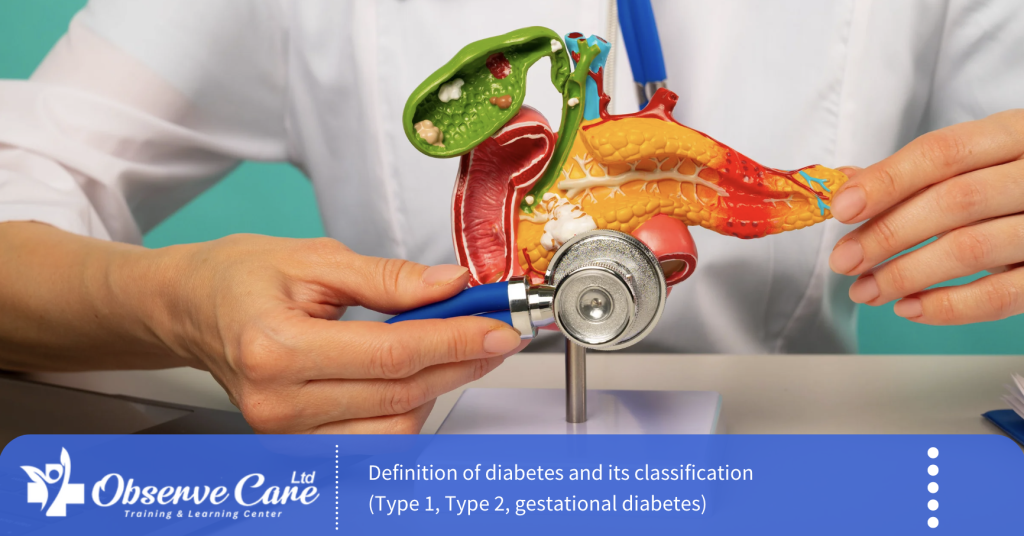
To regulate blood sugar levels, your body produces a hormone called insulin. Insulin, produced by the pancreas, acts like a key, allowing glucose to enter your body’s cells for energy.

In people with diabetes, the body either doesn’t produce enough insulin (Type 1 diabetes) or can’t effectively use the insulin it produces (Type 2 diabetes). This leads to a buildup of glucose in the bloodstream, a condition known as hyperglycemia.
2. Types of Diabetes
- Type 1 Diabetes:
- This is an autoimmune condition where the body’s immune system mistakenly attacks and destroys the insulin-producing cells in the pancreas.
- People with Type 1 diabetes must rely on daily insulin injections or continuous glucose monitoring systems to survive.
- Typically diagnosed in childhood or adolescence, although it can occur at any age.
- Type 2 Diabetes:
- The most common type of diabetes, often associated with lifestyle factors such as obesity, inactivity, and unhealthy diets.
- In Type 2 diabetes, the body either doesn’t produce enough insulin or the cells become resistant to insulin, meaning they don’t respond effectively to it.
- Often develops gradually in adulthood, but increasingly diagnosed in younger people due to rising obesity rates.
- Gestational Diabetes:
- This type of diabetes develops during pregnancy in some women who did not have diabetes before.
- Hormonal changes during pregnancy can interfere with the body’s ability to use insulin effectively.
- Gestational diabetes usually resolves after pregnancy but increases the mother’s risk of developing Type 2 diabetes later in life.
3. How Diabetes Affects the Body
When blood sugar levels remain consistently high (hyperglycemia), it can damage various organs and systems in the body, including:
- Blood vessels: High blood sugar can damage blood vessels, increasing the risk of heart disease, stroke, and peripheral artery disease.
- Nerves: Nerve damage (neuropathy) can cause tingling, numbness, and pain in the hands, feet, and other parts of the body.
- Eyes: High blood sugar can damage the blood vessels in the eyes, leading to diabetic retinopathy and potentially blindness.
- Kidneys: Kidney damage (diabetic nephropathy) can lead to kidney failure, requiring dialysis or a kidney transplant.
4. The Impact of Diabetes
Living with diabetes can significantly impact a person’s physical, emotional, and social well-being. It can:
- Limit daily activities: Frequent blood sugar checks, medication administration, and dietary restrictions can be time-consuming and disruptive to daily life.
- Increase the risk of complications: The potential for serious health complications can cause anxiety and stress.
- Impact relationships: Diabetes can affect relationships with family, friends, and partners.
- Affect mental health: People with diabetes may experience increased rates of depression, anxiety, and other mental health conditions.
Reflection Questions
- What are the key differences between Type 1 and Type 2 diabetes?
- How can high blood sugar levels damage the body?
- What are the potential emotional and social impacts of living with diabetes?
Module Summary
This module has provided you with a foundational understanding of diabetes. You have learned about the different types of diabetes, their causes, and how they affect the human body. You have also explored the potential impact of diabetes on an individual’s physical, emotional, and social well-being. This knowledge will be crucial as you delve deeper into diabetes management and care in subsequent modules.